Tumbrella Font: A Handcrafted Typeface for Digital Designers
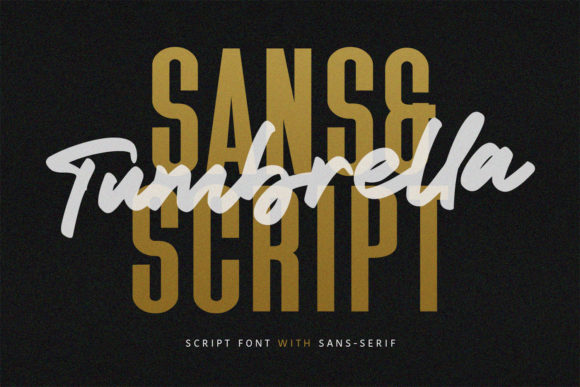
Tumbrella, a Script Handwritten font, brings the warmth of authentic calligraphy into modern web and digital design. As a designer who values both aesthetics and functionality, I’ve found that Tumbrella offers a unique blend of charm and clarity—essential when crafting user experiences that feel personal yet professional. Its dual nature combines a flowing script with a clean sans serif style, making it versatile enough to serve as a logo typeface or a decorative accent in content sections.
Tumbrella for Wedding Invitations and Elegant Branding
When working on wedding websites or branding for luxury boutiques, choosing the right Fonts is crucial. Tumbrella fits perfectly in these niches due to its handcrafted feel and soft elegance. The script element adds a romantic, personalized touch ideal for hero headers and invitation-style landing pages, while the sans serif counterpart ensures readability across all screen sizes. This makes Tumbrella not just visually appealing but also practical for designers aiming to balance beauty with usability.
Tumbrella in Creative Portfolios and Editorial Layouts
For portfolio sites and editorial designs like blogs or magazines, Tumbrella shines as a headline font. Its organic strokes and subtle variations give each title a sense of individuality, which can help differentiate your client’s work from competitors. Whether you're designing a Script Handwritten header for a photographer's site or using it in a magazine layout to highlight featured stories, Tumbrella adds an artisanal flair without sacrificing legibility. It works especially well in Fonts pairings where a bold display face is needed to anchor the visual hierarchy.
Using Tumbrella for Blog Headers and Article Titles
In blog design, strong typography helps readers navigate content quickly. Tumbrella is great for article titles and section headers, especially when paired with a neutral sans serif body font. The contrast between the expressive script and the straightforward sans serif improves scanning behavior and reinforces a brand’s creative tone. For example, a lifestyle blog might use Tumbrella in its masthead to convey approachability and authenticity, while keeping the rest of the page clean and easy to read.
Tumbrella for Conversion-Focused Landing Pages
Landing pages require fonts that command attention without overwhelming the message. Tumbrella excels in this space when used sparingly—for headlines, taglines, and call-to-action buttons. The script style can add emotional appeal to a sales pitch, while the sans serif version ensures clear communication of key benefits. When building conversion-focused layouts, I often layer Tumbrella over background images or video banners because its high contrast and open letterforms maintain visibility even in complex compositions.
Creating Visual Hierarchy with Tumbrella
Visual hierarchy is about guiding users through your design effortlessly. Tumbrella supports this by offering two distinct styles within one font family. The script variant can be reserved for large, eye-catching headers, while the sans serif version handles subheaders and short phrases more effectively. This duality allows for layered typographic systems where the brand voice remains consistent but the reading experience stays smooth and intuitive.
Tumbrella in Online Store Banners and Product Pages
E-commerce platforms benefit greatly from thoughtful typography choices. Tumbrella can be used in product names, promotional banners, and category headers to create a memorable shopping experience. Its handcrafted aesthetic gives boutique stores a tactile, artisanal vibe that appeals to niche audiences. When using it on mobile screens, I recommend limiting the number of characters and ensuring adequate spacing so that the font doesn’t lose clarity on smaller displays.
Responsive Typography with Tumbrella
One challenge in digital design is maintaining font readability across devices. Tumbrella has been crafted with responsive layouts in mind. The script style performs best at larger sizes (48px+), where its delicate curves are visible and impactful. For smaller elements like buttons or navigation menus, the sans serif version ensures legibility and avoids visual clutter. I always test Script Handwritten fonts like Tumbrella at various breakpoints to confirm their effectiveness in different environments.
Tumbrella for Logo Design and Brand Identity Systems
Logo design requires a font that feels both distinctive and scalable. Tumbrella provides a fresh take on Fonts with personality. The script style is excellent for logos that want to express creativity, warmth, or craftsmanship—perfect for a studio, a café, or a personal brand. Meanwhile, the sans serif version can be used in supporting brand assets such as business cards, packaging, or email signatures, ensuring a cohesive identity across all touchpoints.
Designing Logos with Tumbrella
I've used Tumbrella in several logo projects where the client wanted something both modern and human. The script option adds a signature-like quality that feels exclusive and trustworthy. To maintain professionalism, I suggest combining it with a structured sans serif for secondary text elements like taglines or legal disclaimers. This pairing keeps the brand voice consistent while improving accessibility and legibility for diverse audiences.
Tumbrella for Social Media Graphics and Content Sections
Social media is a powerful tool for brand storytelling, and the right Script Handwritten font can make your graphics stand out. Tumbrella works beautifully in Instagram posts, Facebook banners, and YouTube thumbnails where character expression matters. Its dynamic style is especially effective for quotes, testimonials, and short captions. However, I advise using it only in short bursts to avoid cognitive overload, especially on fast-scrolling feeds.
Optimizing Tumbrella for Image Overlays
When placing Tumbrella over images, contrast is key. I prefer using light versions of the font on dark backgrounds and vice versa. For maximum impact, apply subtle drop shadows or outlines to enhance legibility without compromising the font’s natural flow. This technique works wonders for course landing pages, podcast covers, or any Fonts that need to pop against busy visuals.
Font Pairing Tips for Web Designers Using Tumbrella
Choosing the right Fonts pairing is essential for creating harmony in your design. Since Tumbrella includes both a script and sans serif, it naturally pairs well with other minimalist or geometric typefaces. For a more editorial look, try matching the script with a classic serif; for a contemporary feel, go with a modern sans serif. Always consider the tone of your project—Tumbrella is warm and inviting, so it complements brands focused on lifestyle, wellness, fashion, and personal services.
Combining Tumbrella with Neutral Typefaces
On SaaS landing pages or tech-focused sites, I often use Tumbrella in limited areas to inject a human touch. Pairing it with a sleek sans serif like Inter or Lato creates a balanced look—playful yet professional. This combination is perfect for headings, feature blocks, or even in a “Meet the Team” section where a more personal tone is desired. Just remember to keep the script style for display purposes and let the sans serif handle the bulk of the content.
Tumbrella for Branded Web Experiences and Content Marketing
Branded web experiences rely heavily on typography to communicate a company’s values. Tumbrella is a premium Script Handwritten font that adds a sense of artistry and intentionality to every design. I’ve seen it elevate everything from coaching websites to course sales pages by reinforcing a welcoming, expert tone. In content marketing, using Tumbrella for pull quotes or section dividers can break up long reads and guide the viewer’s attention organically.
Enhancing Brand Tone with Tumbrella
The personality of Tumbrella is unmistakably warm and artistic. That makes it ideal for brands targeting creative industries, small businesses, or those looking to build trust through a human-centric approach. On a website, the font should reflect the brand’s core message—whether it’s sophistication, playfulness, or authenticity. By integrating Tumbrella thoughtfully, you can subtly influence how users perceive your brand, leading to better engagement and stronger emotional connections.
Practical Notes on Licensing and File Formats
Before implementing Tumbrella in your next project, ensure you understand the licensing terms. Many Fonts offer commercial licenses for use in websites, online stores, and digital templates. If you're designing for clients, check whether the license supports multiple users or if additional seats are required. Also, verify if the font includes web-ready formats like WOFF or WOFF2 and supports the necessary languages for your target audience.
Checking Multilingual Support and Alternates
Global reach demands multilingual support, and Tumbrella delivers with a broad range of characters and alternates. This flexibility is invaluable when designing for international clients or expanding brand content beyond English. The included alternates allow for slight variations in letters, giving you more control over the visual rhythm of your layout. These details matter when building professional, polished digital products that scale across regions and cultures.
Why Tumbrella Stands Out Among Script Fonts
While many Script Handwritten fonts lean too heavily into fantasy or illegibility, Tumbrella strikes a smart balance. It retains the charm of handwriting while maintaining the structural integrity needed for digital use. This makes it a standout choice for designers who need a font that feels personal but still functions well in real-world applications. From hero titles to branded shop pages, Tumbrella adapts gracefully without losing its character.
Comparing Tumbrella with Other Display Fonts
Compared to similar display Fonts, Tumbrella stands apart for its dual-use capability. While most handwritten scripts struggle in small sizes or on dark backgrounds, Tumbrella’s sans serif component solves these issues seamlessly. This adaptability reduces the need for multiple font families in a single project, streamlining your design process and helping maintain a consistent visual language throughout your website or app.
Tumbrella for Small Businesses and Startups
Startups and small businesses often need a strong first impression, and Tumbrella can help achieve that. It’s particularly useful for startups in creative fields—like fashion, art, or lifestyle—that want to stand out without appearing unprofessional. The font’s handcrafted essence can be leveraged in everything from the homepage banner to newsletter subject lines. Just be sure to use it strategically, focusing on key messaging points to maximize impact.
Building a Brand Kit Around Tumbrella
Creating a brand kit around Tumbrella is surprisingly straightforward. The script style can become the foundation of your logo and main headers, while the sans serif version supports subheadings, pricing info, and form labels. This consistency helps reinforce your brand identity across all digital channels—from website menus to social media posts. Plus, since Tumbrella is a commercial Fonts package, you won’t have to worry about legal issues when using it for client work or your own ventures.
Final Thoughts on Integrating Tumbrella into Your Projects
As a web designer, I appreciate Tumbrella for what it brings to the table: a handcrafted feel that resonates emotionally without undermining readability. Whether you're designing for a boutique online store, a lifestyle blogger, or a SaaS platform, Tumbrella can be the cornerstone of a compelling typographic strategy. Just remember to use it wisely—reserve the script for large-scale display and stick with the sans serif for supporting text. With the right application, this Script Handwritten duo can transform your Fonts into a powerful brand-building tool.